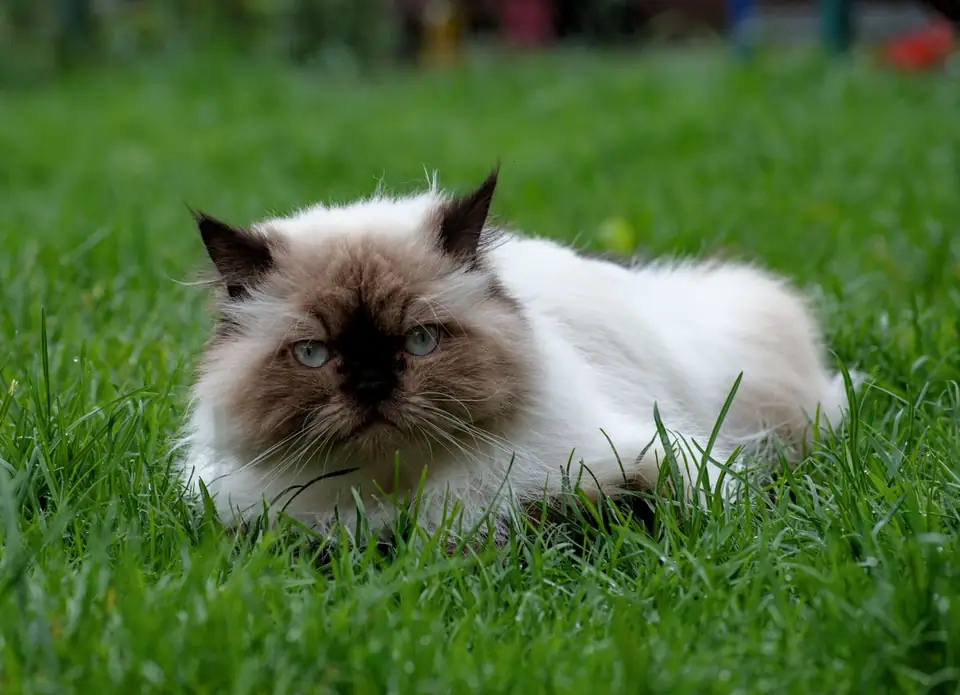
BreedsGrooming by breed
Persian Cat Grooming: Daily Combing, Face and Eyes (Himalayans Too)
Persian cat grooming, and Himalayan too: daily combing of a thick coat, the right comb, baths after combing, and care for the face, eyes and tear stains.
We earn from qualifying purchases through links on this page. How we make money.
Comb a Persian or Himalayan every day with a steel comb that has coarse and fine teeth, as the breed registry recommends. Their coat is long and thick right to the skin and mats quickly. Bathe only after a thorough combing and nail trim, wipe the eyes with a soft damp cloth, and ask your vet about tear stains.
The Cat Fanciers’ Association is frank about the Persian: owning one “calls for a serious commitment to regular grooming, and also to regular vacuuming.” The Himalayan, which the CFA treats as the Persian with the pointed pattern, has the same coat and needs the same care.
The Persian coat
The CFA’s standard describes the coat as long and thick, standing off from the body, of fine texture, with an immense ruff and a very full tail. That is beautiful, and it is also a lot of hair that tangles easily, right down to the skin. Cornell’s Feline Health Center names Persians among the long-haired breeds at significantly greater risk of hairballs.
The daily comb
The CFA calls a “steel or Teflon-coated comb with long, coarse and fine teeth” essential for keeping a Persian free of mats and tangles. A routine that works:
- Coarse teeth first, through the whole coat, down to the skin.
- The trouble spots. VCA names the armpits, groin and behind the ears; International Cat Care adds between the hind legs.
- Fine teeth next, to catch smaller tangles and finish.
- Stop before the cat is fed up, and come back later. Daily sessions can be short.
Steel combs with coarse and fine teeth
Live listings, shown by eBay
Opens eBay in a new tab. Check condition, seller feedback and returns.
The CFA notes that many Persian owners rely on professional groomers to keep their cats looking their best. That is a reasonable choice, especially for a cat that already has mats. Daily combing at home between visits is still what keeps the coat healthy.
Baths: comb first, then bathe
The CFA says a Persian needs occasional baths, “which should be done only after a thorough combing and nail clipping.” Every knot should be out before the cat gets wet. The bathing guide covers shampoo, the bath itself and drying a coat this thick, and the nail trims guide covers the claws.
Face and eyes
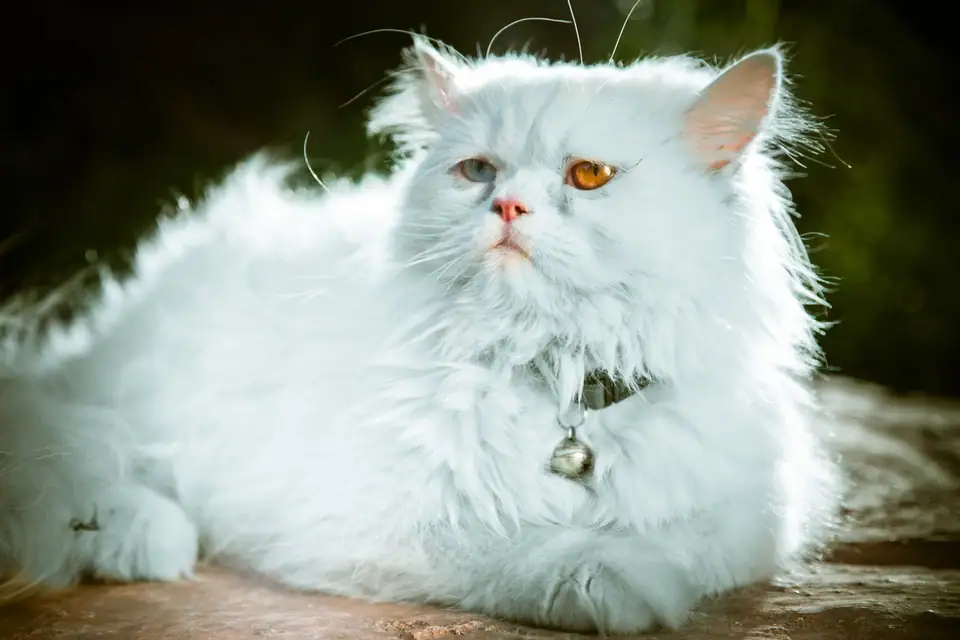
The CFA says the Persian’s large eyes may need cleaning with a soft, damp cloth. Wipe gently, and make it part of the daily session.
VCA explains why flat-faced breeds have more to clean: Persians and Himalayans have faces that do not allow tears to drain properly, which can leave the fur under the eyes wet and stained.
Tear stains: what helps, and when to see the vet
VCA’s advice on overflowing tears is to keep the area as clean and dry as possible, remove any build-up, and keep the fur around the eyes trimmed short. Ask a groomer or your vet to trim near the eyes; it is not a job for scissors at home.
Safety
Talk to your vet before using any tear-stain product. VCA warns against hydrogen peroxide products near the eyes, which can cause severe damage if splashed into them. A change in the amount or color of discharge, squinting or redness is a reason to see the vet.
Tear-stain removers and wipes are sold widely; their claims are the makers’ own, so read the label and check with your vet first.
Where Persians fit among long-haired breeds
The Persian and Himalayan carry the heaviest grooming load of the long-haired breeds. For comparison, the silky coats of the Ragdoll and Birman need far less. See the full breed comparison, and for help with a knot that has already formed, see mats and dematting tools.
Frequently asked questions
How often should you groom a Persian cat?
Every day. The Cat Fanciers' Association says owning a Persian calls for a serious commitment to regular grooming, and International Cat Care says long-haired cats need grooming at least daily. A few minutes with a steel comb each day keeps the thick coat free of mats.
Do Persian cats shed a lot?
They shed like other cats, but the coat is long and thick, so the hair shows. The CFA's own description of Persian ownership mentions regular vacuuming as well as grooming. Daily combing catches loose hair before it reaches the floor.
How do I clean tear stains on a Persian or Himalayan?
VCA explains that flat-faced breeds such as Persians and Himalayans often have tears that do not drain properly. Keeping the area clean and dry and removing build-up can help. Ask your vet before using any tear-stain product, and never use hydrogen peroxide near the eyes.
Is grooming a Himalayan different from a Persian?
No. The Cat Fanciers' Association treats the Himalayan as the Persian with the pointed (colorpoint) pattern, so the coat and its care are the same: daily combing, baths only after combing and nail trims, and gentle care of the face and eyes.
Sources
- Persian (breed profile)The Cat Fanciers' Association
- Eye Discharge in Cats (epiphora), Barnes, Llera and Ward, 2023VCA Animal Hospitals
- Grooming your catInternational Cat Care
- Grooming and Coat Care for Your CatVCA Animal Hospitals
- A Hairy DilemmaCornell Feline Health Center
Filed under BreedsStart with Long-Haired Cat Breeds: How Much Grooming Each Coat Needs
Keep reading
BreedsStart here
Long-Haired Cat Breeds: How Much Grooming Each Coat Needs
Long-haired cat breeds compared by coat: Persian, Himalayan, Ragdoll, Birman, Turkish Angora, Norwegian Forest Cat, Siberian and Maine Coon.
BreedsGuide
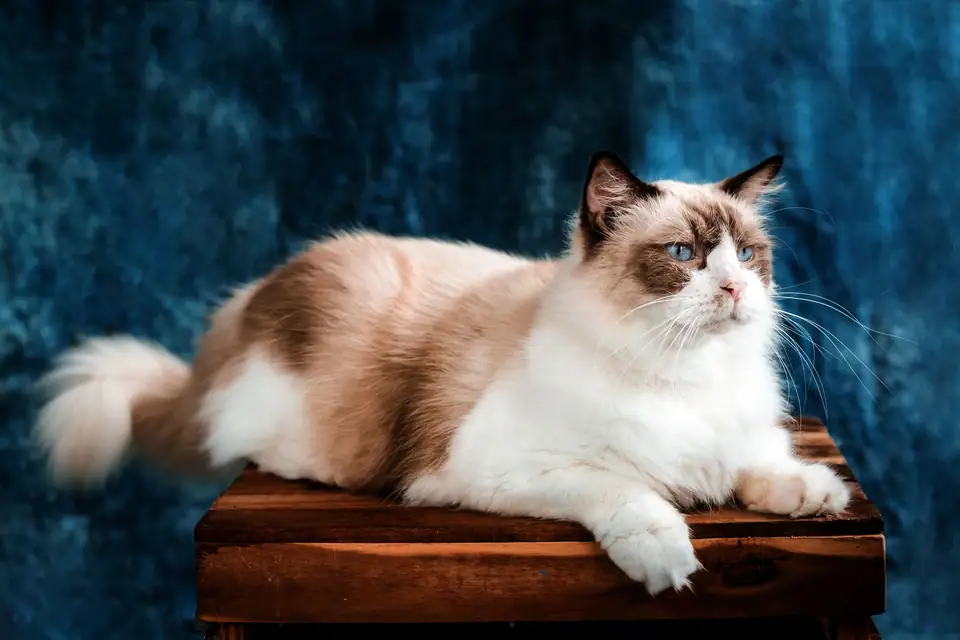
Ragdoll Grooming: How Often to Comb and Where Tangles Form
Ragdoll grooming, and Birman too: what the breed registry says about their silky coats, how often to comb, where tangles still form, and seasonal shedding.
GiftsStart here
Gifts for Cat Lovers With a Long-Haired Cat: Ideas by Person
Gifts for cat lovers who live with a long-haired cat, by person: the new owner, the breed devotee, the tidy home, bath day and stocking stuffers.