BreedsGrooming by breed
Ragdoll Grooming: How Often to Comb and Where Tangles Form
Ragdoll grooming, and Birman too: what the breed registry says about their silky coats, how often to comb, where tangles still form, and seasonal shedding.
We earn from qualifying purchases through links on this page. How we make money.
Comb a Ragdoll once or twice a week and a Birman weekly, as the Cat Fanciers’ Association suggests. Both have silky coats with little undercoat that the registry describes as resisting mats. Comb more often in shedding season or if you find tangles, and check the armpits, belly and behind the ears, where any long coat can knot.
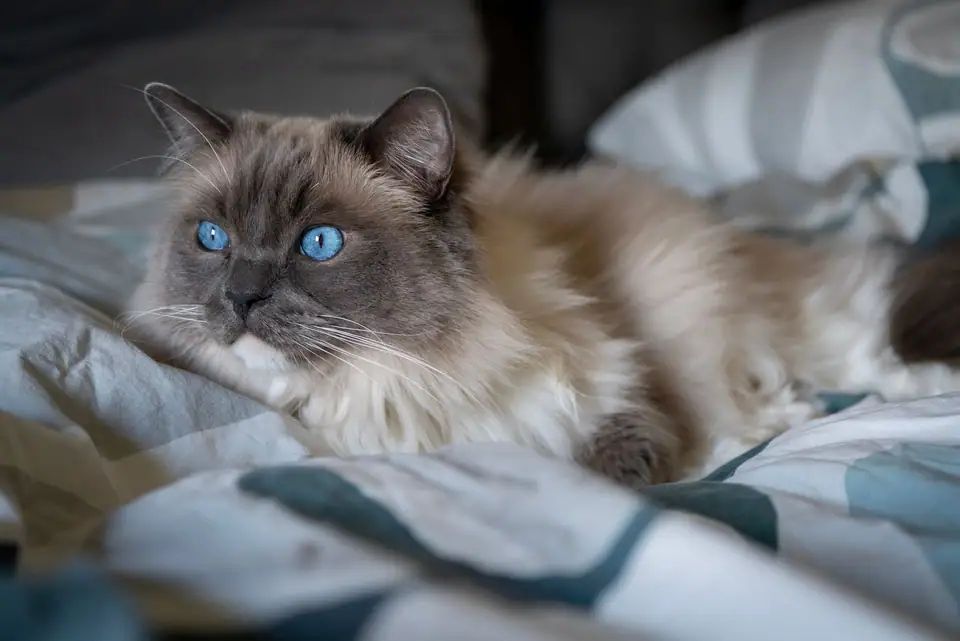
These two colorpoint breeds look alike at first glance, with pale bodies, darker points and blue eyes, and their coats are similarly easy. That makes them a good fit for owners who love a long coat but cannot comb a Persian every day.
What makes these coats easier
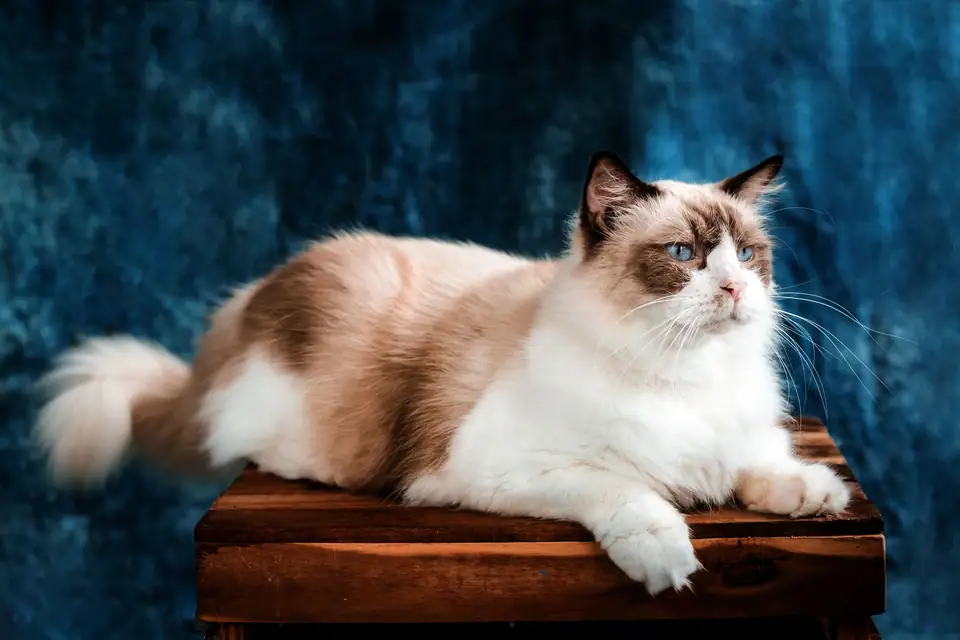
The CFA describes the Ragdoll’s coat as moderately long, with abundant guard hairs but minimal woolly undercoat, giving a soft, silky texture. It calls the fur “naturally non-matting” and says the result is reduced shedding and matting.
The Birman’s coat, in the CFA’s description, is medium long to long and silken, with a heavy ruff around the neck and a slightly curly coat on the stomach. The registry says the fur “is of such a texture that it does not mat.”
With little woolly undercoat, these coats need less combing than a Persian’s, by the registry’s account.
| Breed | Coat | Combing the CFA suggests | Where hair is longest |
|---|---|---|---|
| Ragdoll | Moderately long, silky, minimal woolly undercoat | Steel comb, once or twice a week | Ruff, tail and “feathery britches” on the hind legs |
| Birman | Medium long to long, silken | A weekly combing | Heavy ruff; slightly curly on the stomach |
How often to comb
The CFA’s guidance for the Ragdoll is “regular combing at least once or twice a week with a steel comb.” For the Birman, it says “a weekly combing should be sufficient.”
General veterinary advice is stricter. International Cat Care says long-haired cats need grooming at least daily, and VCA advises daily brushing for long, silky coats. Read the two together: these breeds can manage with less, but more frequent short sessions do no harm, and they help in shedding season or with an older cat.
Steel combs for a silky coat
Live listings, shown by eBay
Opens eBay in a new tab. Check condition, seller feedback and returns.
Where tangles still form
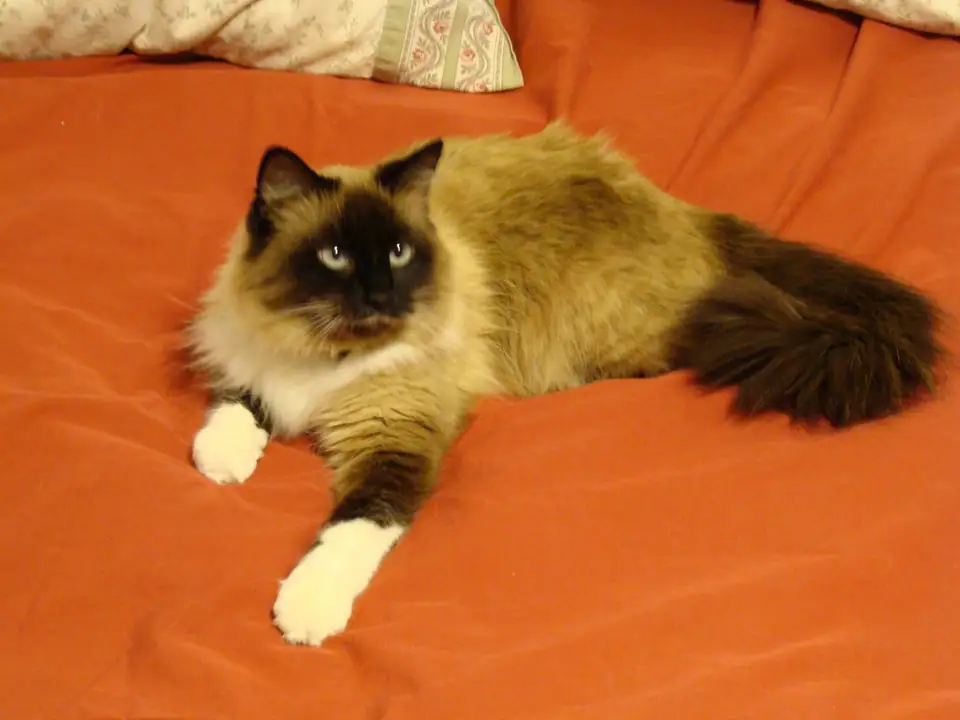
A coat that resists mats can still tangle where it rubs. VCA names the armpits, the groin and behind the ears as places to check every day on long-haired cats. On these breeds, check the longest fur too: the Ragdoll’s britches and ruff, and the Birman’s ruff and curly belly fur.
The Birman’s white paws, which the CFA calls gloves, carry fur between the toes; International Cat Care lists the area between the toes and pads as another place mats form.
Seasonal shedding
Low undercoat does not mean no shedding. The CFA says Ragdolls “will shed, usually with the change of seasons.” When you see more hair on the comb, comb more often for a few weeks, and wash the throws and beds the cat sleeps on more often too. For most of these cats, a steel comb and a slicker brush are enough. See shedding for a seasonal routine.
Older cats and tangles
If a Ragdoll or Birman that never tangled starts to mat, look at the cat, not the comb. International Cat Care lists less time spent grooming and a matted, scruffy coat among the signs of arthritis. Ask your vet, and see mats for what to do in the meantime.
More on long-haired breeds
The heaviest coats, the Persian and Himalayan, need daily work by comparison. See the full breed comparison and the tools in brushes and combs. The sister site Large Breed Cats covers the Ragdoll’s size among the large breeds.
Frequently asked questions
How often should I brush a Ragdoll?
The Cat Fanciers' Association suggests combing at least once or twice a week with a steel comb to remove loose hair and tangles. Veterinary advice for long-haired cats in general is daily grooming, so comb more often if you find tangles or during seasonal shedding.
Do Ragdoll cats shed a lot?
Less than many long-haired breeds, by the breed registry's account. The CFA says the Ragdoll's minimal woolly undercoat means reduced shedding and matting, but Ragdolls still shed, usually with the change of seasons.
Do Birman cats get mats?
The Cat Fanciers' Association says the Birman's fur is of a texture that does not mat, and that a weekly combing should be enough. Any long coat can still tangle where it rubs, so check the armpits and behind the ears.
What is the best brush for a Ragdoll cat?
A steel comb is the tool the Cat Fanciers' Association names for the Ragdoll. A slicker brush or a soft bristle brush can finish the silky coat, and a rubber grooming glove suits a cat that prefers stroking to combing.
Sources
- Ragdoll (breed profile)The Cat Fanciers' Association
- Birman (breed profile)The Cat Fanciers' Association
- Grooming your catInternational Cat Care
- Grooming and Coat Care for Your CatVCA Animal Hospitals
- Arthritis in catsInternational Cat Care
Filed under BreedsStart with Long-Haired Cat Breeds: How Much Grooming Each Coat Needs
Keep reading
BreedsStart here
Long-Haired Cat Breeds: How Much Grooming Each Coat Needs
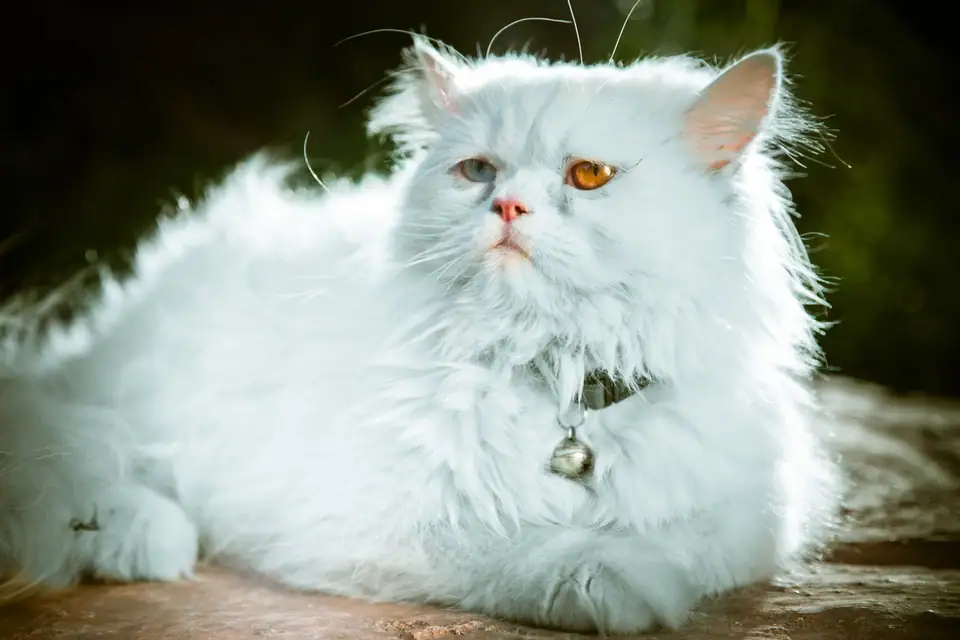
Long-haired cat breeds compared by coat: Persian, Himalayan, Ragdoll, Birman, Turkish Angora, Norwegian Forest Cat, Siberian and Maine Coon.
BreedsGuide
Persian Cat Grooming: Daily Combing, Face and Eyes (Himalayans Too)
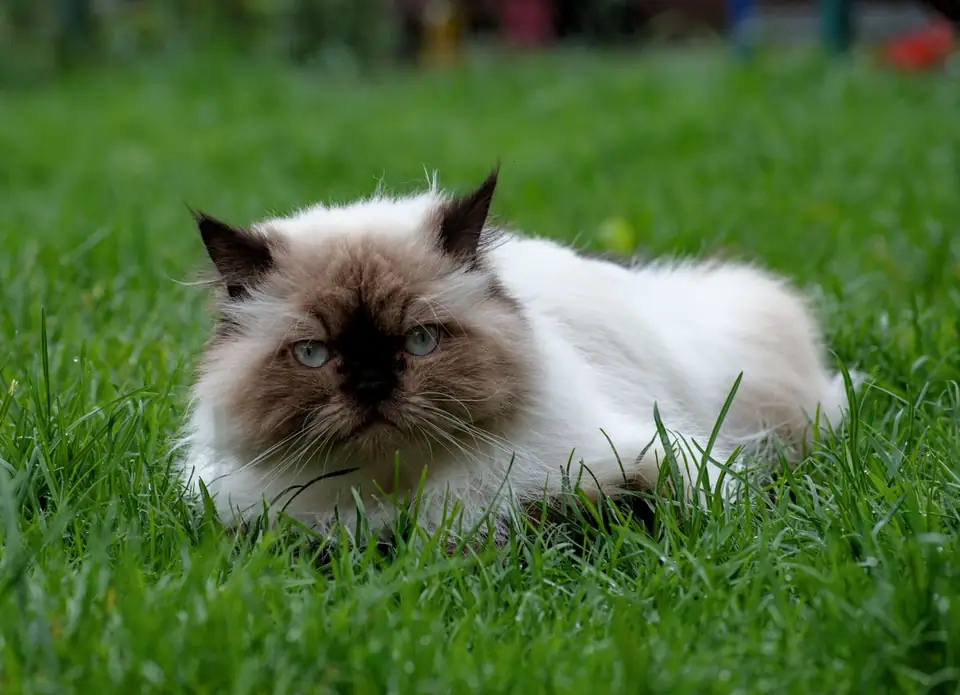
Persian cat grooming, and Himalayan too: daily combing of a thick coat, the right comb, baths after combing, and care for the face, eyes and tear stains.
GiftsStart here
Gifts for Cat Lovers With a Long-Haired Cat: Ideas by Person
Gifts for cat lovers who live with a long-haired cat, by person: the new owner, the breed devotee, the tidy home, bath day and stocking stuffers.