SheddingStart here
Why Is My Long-Haired Cat Shedding So Much? Seasons and Fixes
Why long-haired cats shed so much, how shedding seasons work, a combing routine for spring and autumn, and the signs that hair loss is a question for your vet.
We earn from qualifying purchases through links on this page. How we make money.
Long-haired cats shed like any cat, but the hair is longer and easier to see. VCA notes that indoor cats shed at low levels all year, and long coats also shed seasonally, swapping old coat for new. Comb daily, more often in spring and autumn, and see your vet about bald patches or sores.
Shedding is normal. A cat replaces its hair continuously, and a long coat simply leaves longer, more visible strands on the couch and your clothes. What changes from cat to cat is how much undercoat there is, how often it turns over, and how much of it you catch with a comb before it falls.
Why long-haired cats seem to shed more
Three things add up:
- More hair, and longer hair. Each loose strand from a long coat is easy to see on furniture and clothing.
- A thick undercoat in some breeds. The Cat Fanciers’ Association describes the Norwegian Forest Cat as having a dense undercoat under long guard hairs, and the Siberian as having a triple coat. More undercoat means more to shed.
- Year-round shedding indoors. VCA says cats that share our homes shed undercoat and guard hairs at low levels all year, and the ASPCA notes that indoor long-haired cats shed throughout the year.
Shedding seasons
VCA explains that cats, especially long-haired breeds, undergo seasonal shedding, losing an old coat to make way for a new one. Breed registries describe the pattern for the densest coats. The CFA says the Norwegian Forest Cat’s undercoat has its full development in winter and gives way to a lighter coat in spring, and the Siberian’s coat is noticeably thicker in the colder months and shorter and less dense in summer.
Shedding season has a second effect: more swallowed hair. Cornell’s Feline Health Center says hairballs are more frequent in the seasons when cats shed, and long-haired breeds are at greater risk. See hairballs in long-haired cats.
How shedding differs by coat
Breed registries give a rough guide to what to expect. These are the Cat Fanciers’ Association’s descriptions:
| Breed | Undercoat | Shedding the CFA describes |
|---|---|---|
| Norwegian Forest Cat | Dense undercoat under long guard hairs | Fuller in winter; extra combing in spring |
| Siberian | Triple coat, tight undercoat in adults | Thicker in cold months, lighter in summer |
| Ragdoll | Minimal woolly undercoat | Reduced shedding; sheds with the change of seasons |
| Turkish Angora | Single coat | Combing two or three times a month controls shedding in younger cats |
| Persian | Long, thick coat | Needs regular grooming “and also regular vacuuming” |
A domestic longhair with no pedigree can fall anywhere on this range. Feel the coat at the skin: a woolly layer under the long hair means a heavier shed in spring and autumn.
Normal shedding or a problem?
Normal shedding looks like loose hair on the comb, tufts in spring and hair on the furniture, with a full coat underneath. A problem looks different: patches where the skin shows, scabs, a cat licking one spot over and over, or a coat that suddenly thins all over. The first calls for a comb; the second calls for your vet.
A shedding-season routine
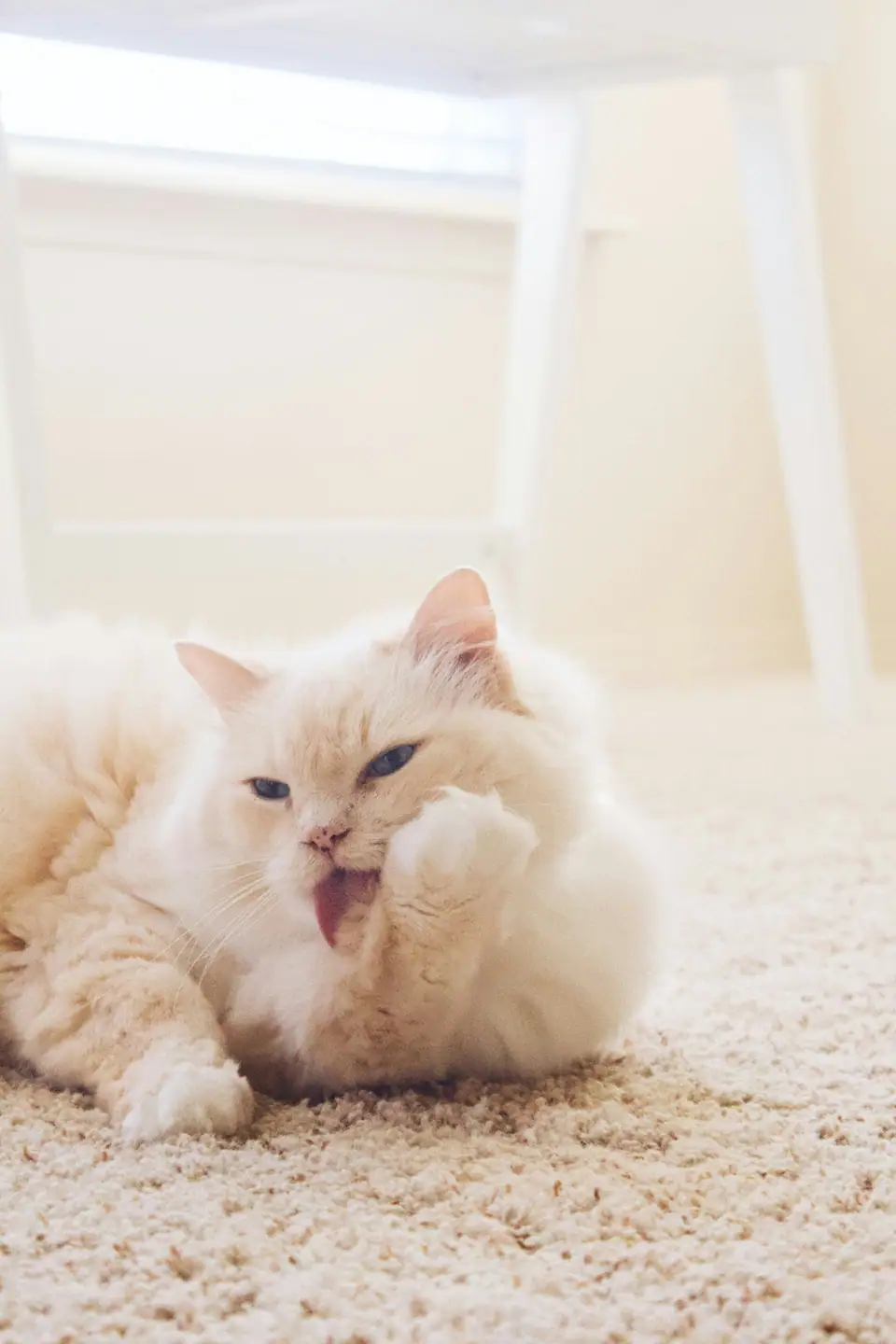
When the coat starts coming out in tufts:
- Comb every day, down to the skin, with a wide-toothed comb.
- Add a deshedding tool once or twice a week on a coat with no mats. FURminator suggests sessions of 10 to 20 minutes. See deshedding tools.
- Wash bedding and throws the cat sleeps on more often.
- Watch for hairballs, and for the warning signs that need a vet.
Deshedding tools for a shedding coat
Live listings, shown by eBay
Opens eBay in a new tab. Check condition, seller feedback and returns.
When shedding is a question for the vet
Safety
The ASPCA advises consulting your veterinarian if your cat is losing an excessive amount of hair or has bald patches, and to visit the vet as soon as you notice anything abnormal in the skin.
Call your vet if you notice:
- bald patches, or thin areas where the skin shows through;
- sores, scabs, redness or flaky skin;
- constant licking or chewing at one area;
- a sudden change in how much hair the cat loses.
Do any long-haired cats shed less?
Every cat sheds. Some coats shed less, or in a gentler way. The CFA describes the Ragdoll as having minimal woolly undercoat, which it says reduces shedding and matting, though Ragdolls still shed with the change of seasons. See grooming a Ragdoll or Birman and long-haired breeds.
Keeping up at home
Hair you comb out never reaches the couch. Comb in one spot, such as over a towel on your lap or on an easy-to-sweep floor, so the loose hair is simple to gather and throw away instead of drifting around the room. Empty the comb into the trash as you go, and shake the towel outside when you finish. For the hair that does reach the furniture, a reusable roller, a washable throw on the cat’s favorite spot and a dryer cycle before the wash do most of the work. See cat hair at home.
Lint rollers and pet hair removers
Live listings, shown by eBay
Opens eBay in a new tab. Check condition, seller feedback and returns.
Guides in this section
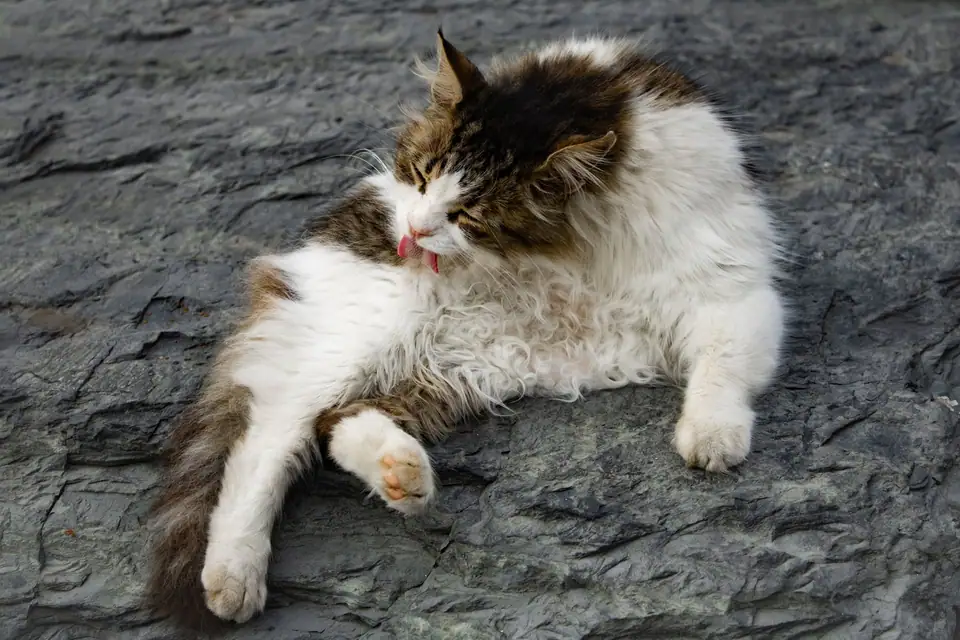 Hairballs in long-haired catsWhy long coats raise the risk, what helps, and when to call the vet.
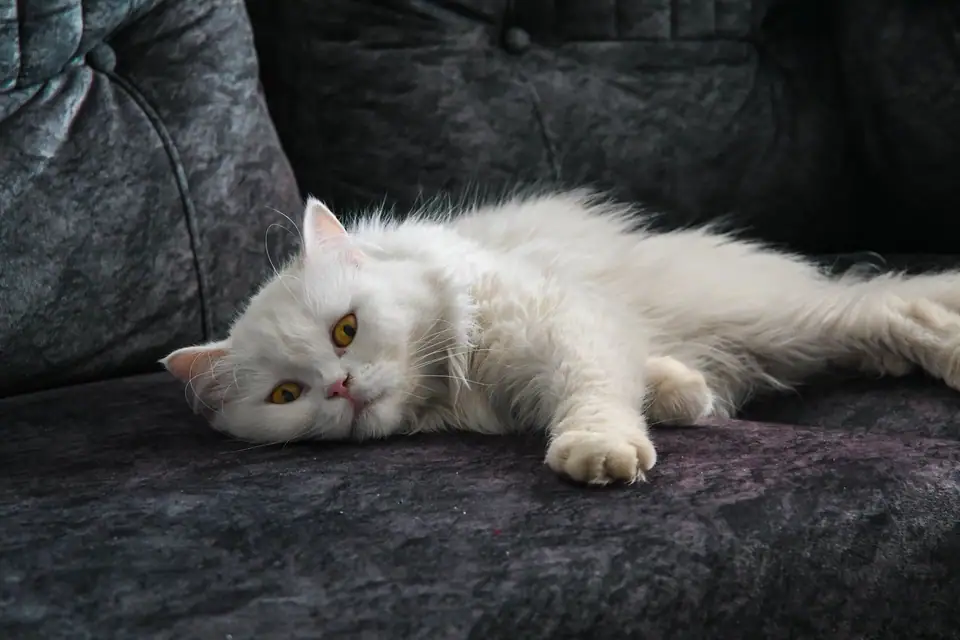 Cat hair on the couch and clothesFabrics, covers, rollers and laundry habits for a home with a long coat.
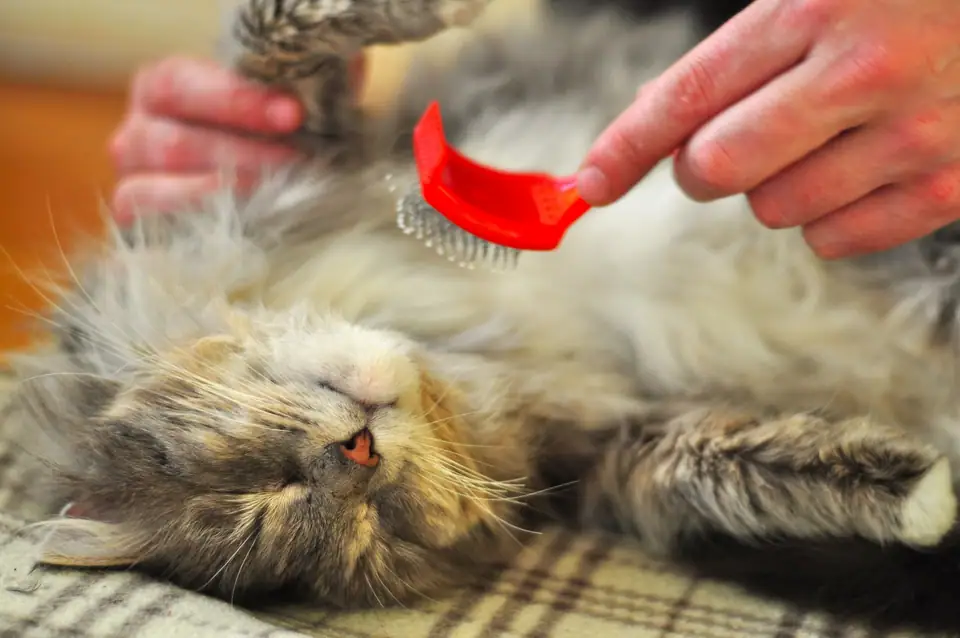 Deshedding toolsWhat a deshedding tool does, how often to use it, and when to skip it.
Frequently asked questions
Why is my long-haired cat shedding so much?
Long-haired cats shed as all cats do, but there is more hair to lose and it shows. VCA notes that cats living indoors shed at low levels all year, and long-haired breeds also shed seasonally, swapping an old coat for a new one. If you see bald patches or sores, see your vet.
When is shedding season for long-haired cats?
Dense coats change with the weather. The Cat Fanciers' Association says the Norwegian Forest Cat's undercoat is fullest in winter and comes out in spring, and the Siberian's coat is thicker in cold months. Indoor cats shed year-round, so expect some hair in every season.
How do I stop my long-haired cat from shedding?
You cannot stop a healthy cat shedding, but you can catch the hair before it lands. Comb daily, add a deshedding tool on a mat-free coat in shedding season, and wash the cat's favorite throws often. Hair you comb out is hair the cat does not swallow.
Are there long-haired cats that do not shed?
Every cat sheds. Some coats shed less or more gently: the Cat Fanciers' Association describes the Ragdoll as having reduced shedding and matting because of its minimal undercoat, though it still sheds with the change of seasons.
Sources
- Grooming and Coat Care for Your CatVCA Animal Hospitals
- Hairball remedies for catsVCA Animal Hospitals
- Cat Grooming TipsASPCA
- The Danger of HairballsCornell Feline Health Center
- Norwegian Forest Cat (breed profile)The Cat Fanciers' Association
- Siberian (breed profile)The Cat Fanciers' Association
- Ragdoll (breed profile)The Cat Fanciers' Association
- Turkish Angora (breed profile)The Cat Fanciers' Association
- Persian (breed profile)The Cat Fanciers' Association
- deShedding tool FAQsFURminator
Filed under Shedding
Keep reading
SheddingGuide
Cat Hair on the Couch and Clothes: Fabrics, Covers and Tools
How to keep a long-haired cat's hair off the couch and your clothes: fabrics that resist claws and hair, washable covers, rollers, vacuums and laundry.
SheddingQuestion
Hairballs in Long-Haired Cats: Prevention and When to Call a Vet
Why long-haired cats get more hairballs, how daily combing helps, what to ask your vet about hairball diets and gels, and the warning signs that cannot wait.
GiftsStart here
Gifts for Cat Lovers With a Long-Haired Cat: Ideas by Person
Gifts for cat lovers who live with a long-haired cat, by person: the new owner, the breed devotee, the tidy home, bath day and stocking stuffers.