BreedsGrooming by breed
Long-Haired Cat Breeds: How Much Grooming Each Coat Needs
Long-haired cat breeds compared by coat: Persian, Himalayan, Ragdoll, Birman, Turkish Angora, Norwegian Forest Cat, Siberian and Maine Coon.
We earn from qualifying purchases through links on this page. How we make money.
Long-haired breeds differ a lot in how much grooming they need. The Cat Fanciers’ Association describes the Persian’s thick coat as a serious grooming commitment, the Ragdoll’s and Birman’s silky coats as resisting mats, and the Norwegian Forest Cat’s dense double coat as changing with the seasons. Match the routine to the coat, not the hair length alone.
Long hair is not one thing. Some coats are thick and woolly right to the skin, some are silky with almost no undercoat, and some are built for cold weather and molt each spring. The table below sums up how breed registries describe each one.
Long-haired breeds compared by coat
| Breed | Coat (CFA description) | Grooming the CFA describes |
|---|---|---|
| Persian | Long, thick, fine-textured, standing off the body | Serious commitment; steel comb with coarse and fine teeth |
| Himalayan | The Persian coat in a colorpoint pattern | As the Persian |
| Ragdoll | Moderately long, silky, minimal woolly undercoat | Steel comb once or twice a week |
| Birman | Medium long to long, silken, heavy ruff | A weekly combing |
| Turkish Angora | Silky, single coat | Two or three times a month for young cats, more with age |
| Norwegian Forest Cat | Dense undercoat under long, water-resistant guard hairs | Stainless steel comb; extra in spring |
| Siberian | Triple coat, thicker in winter | Feel the underside, tail and britches for mats several times a week |
| Maine Coon | Heavy and shaggy, longer on stomach and britches | Combing two or three times a week |
Veterinary advice is broader: International Cat Care says long-haired cats need grooming at least daily, and VCA advises daily brushing for long, silky or curly coats. Use the registry notes to judge how much your breed’s coat needs, and comb more if you find tangles.
Steel combs for every long coat
Live listings, shown by eBay
Opens eBay in a new tab. Check condition, seller feedback and returns.
The heaviest coats: Persian and Himalayan
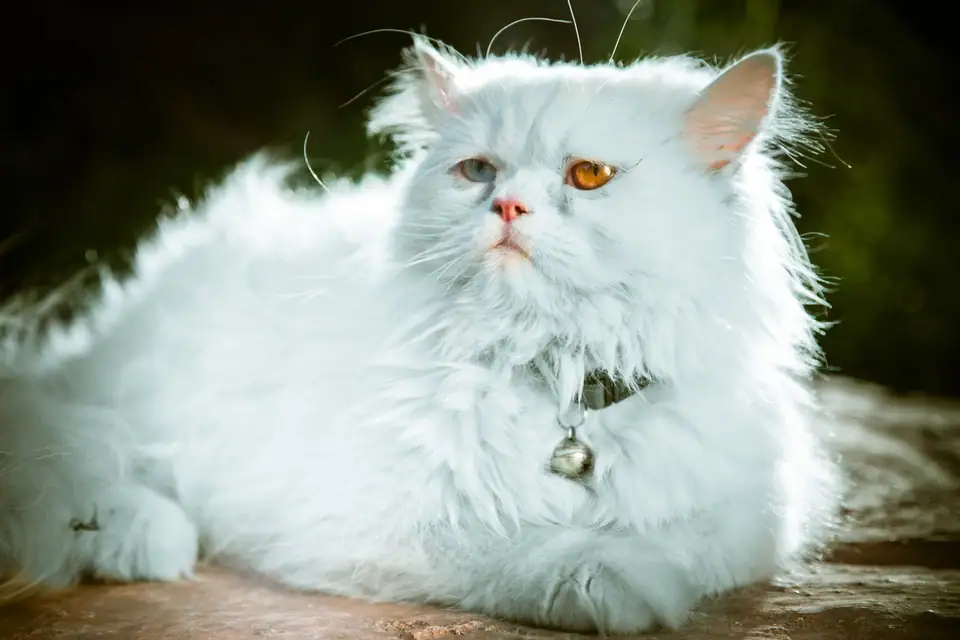
The CFA says owning a Persian calls for “a serious commitment to regular grooming,” and calls a steel comb with long, coarse and fine teeth essential. Many Persian owners rely on professional groomers. The Himalayan, which the CFA groups with the Persian as its pointed pattern, needs the same care. Their flat faces add eye and face care. See grooming a Persian or Himalayan.
Silky coats: Ragdoll, Birman and Turkish Angora
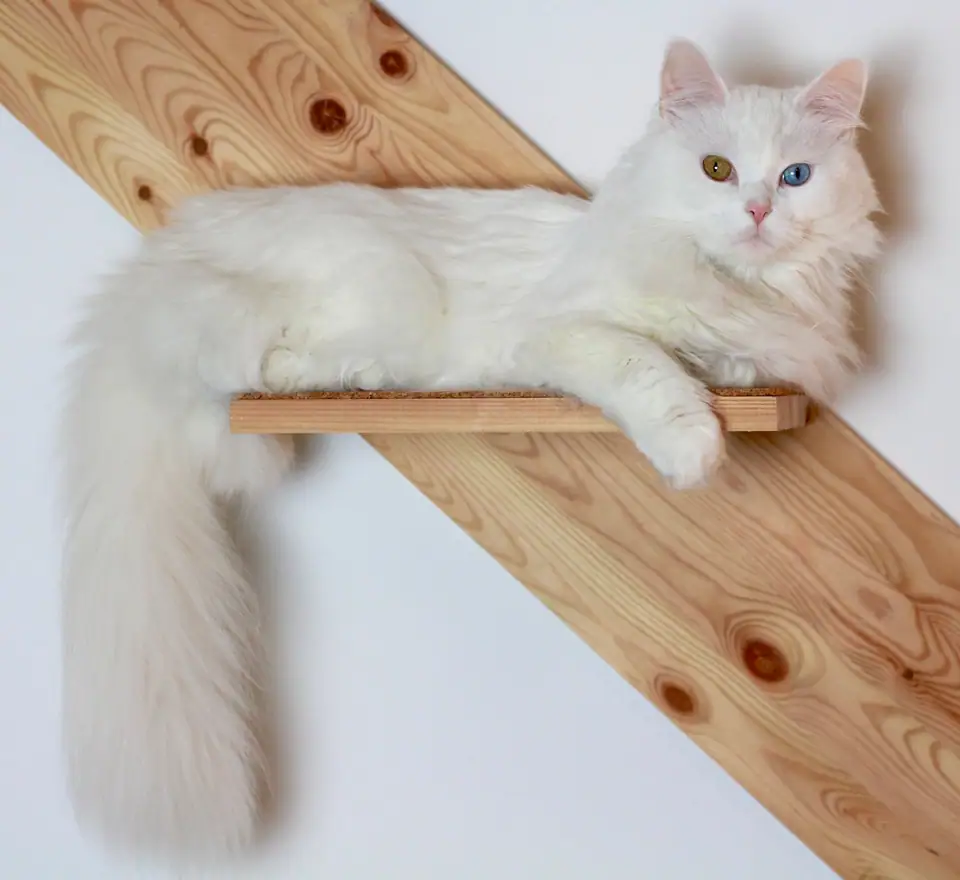
These coats have little undercoat, and the CFA describes all three as resisting mats. The Ragdoll’s coat is naturally non-matting with minimal woolly undercoat, the Birman’s “does not mat,” and the Turkish Angora’s single coat is “not prone to matting.” They still shed, and the Ragdoll sheds with the change of seasons. See grooming a Ragdoll or Birman.
Coats built for cold: Norwegian Forest Cat and Siberian
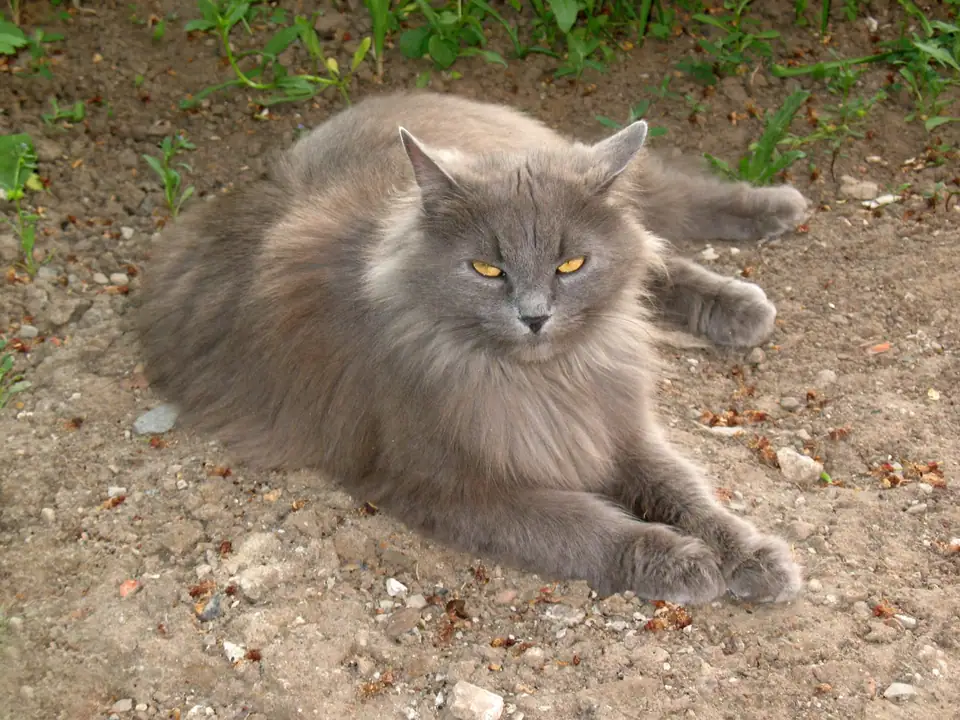
Both breeds carry a thick undercoat that peaks in winter. The CFA says the Norwegian Forest Cat needs extra attention in spring, when the winter coat gives way to a lighter one, and that the Siberian’s coat is thicker in the colder months. Some Siberian coats need weekly grooming to prevent mats, while others go weeks without one. A deshedding tool on a mat-free coat helps in spring. For how these breeds compare in size, the sister site Large Breed Cats compares the Maine Coon and Norwegian Forest Cat.
Maine Coon
The CFA describes the Maine Coon’s coat as heavy and shaggy, shorter on the shoulders and longer on the stomach and britches, and suggests combing two or three times a week. For the breed’s size and its own grooming page, see how big Maine Coons get on Large Breed Cats.
How to tell which coat your cat has
You do not need papers to know how much combing a coat needs. Three quick checks:
- Part the fur on the back and look at the base. A dense, woolly layer under the long hair means a heavy undercoat, like a Norwegian Forest Cat’s. Long hair lying almost straight to the skin means little undercoat, like a Ragdoll’s.
- Run a wide-toothed comb from neck to tail. If it snags in several places after a day or two without combing, the coat needs daily work.
- Check the comb in spring. A comb that fills with soft, fluffy hair for a few weeks points to a seasonal molt, which the CFA describes for the Norwegian Forest Cat and Siberian.
Tip
Not sure what you are looking at? Ask a cat groomer or your vet to check the coat at the next visit. They can show you where your cat tangles first.
Then match the routine: daily combing for a thick, woolly coat, once or twice a week for a silky coat that stays smooth, and extra sessions whenever the comb starts catching.
Domestic longhairs
Most long-haired cats in homes are not pedigreed. Domestic longhair is the usual name for a long-haired cat of mixed ancestry rather than a registered breed, so coats vary widely. Groom by what you see: a thick, woolly coat needs the Persian routine, a silky one the Ragdoll’s. The grooming routine works for any of them.
Are there long-haired cats that do not shed?
No. Every cat sheds, and no breed should be bought on a promise that it will not. The CFA describes the Ragdoll’s minimal undercoat as reducing shedding and matting, but Ragdolls still shed with the seasons. See shedding. For breed ornaments, mugs and prints, see gifts by person.
Grooming guides by breed
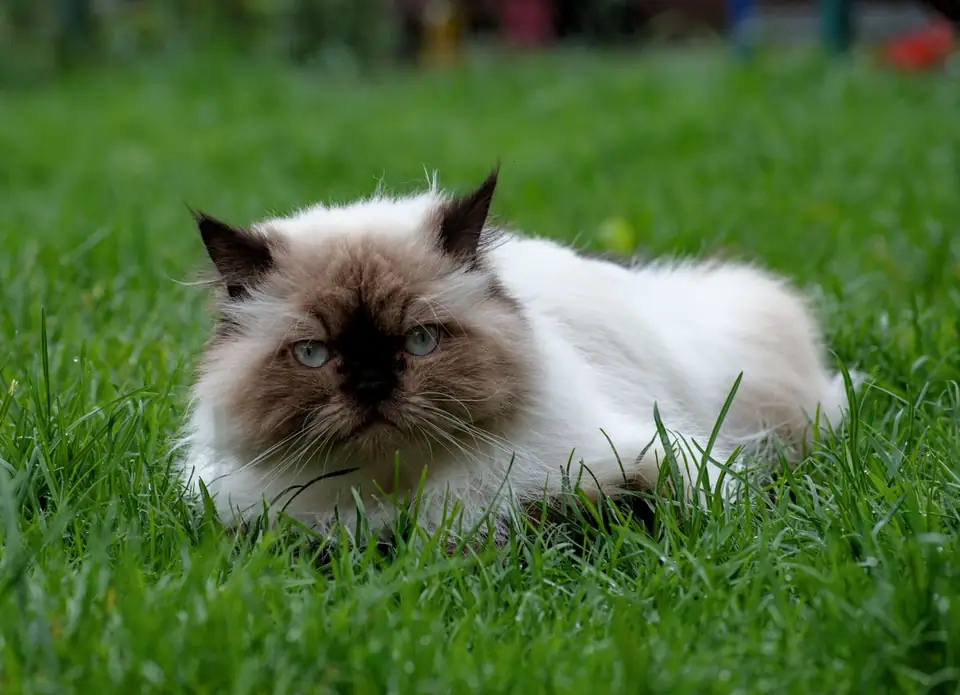 Persian cat groomingDaily combing, baths only after combing, and gentle care for the face and eyes.
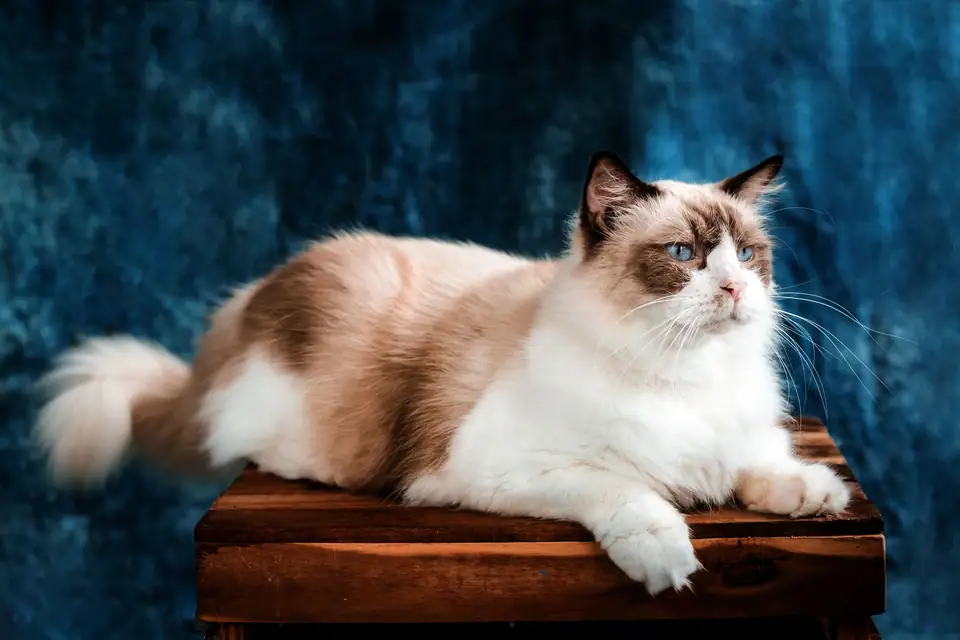 Ragdoll groomingSilky, low-undercoat coats: how often to comb and where tangles still form.
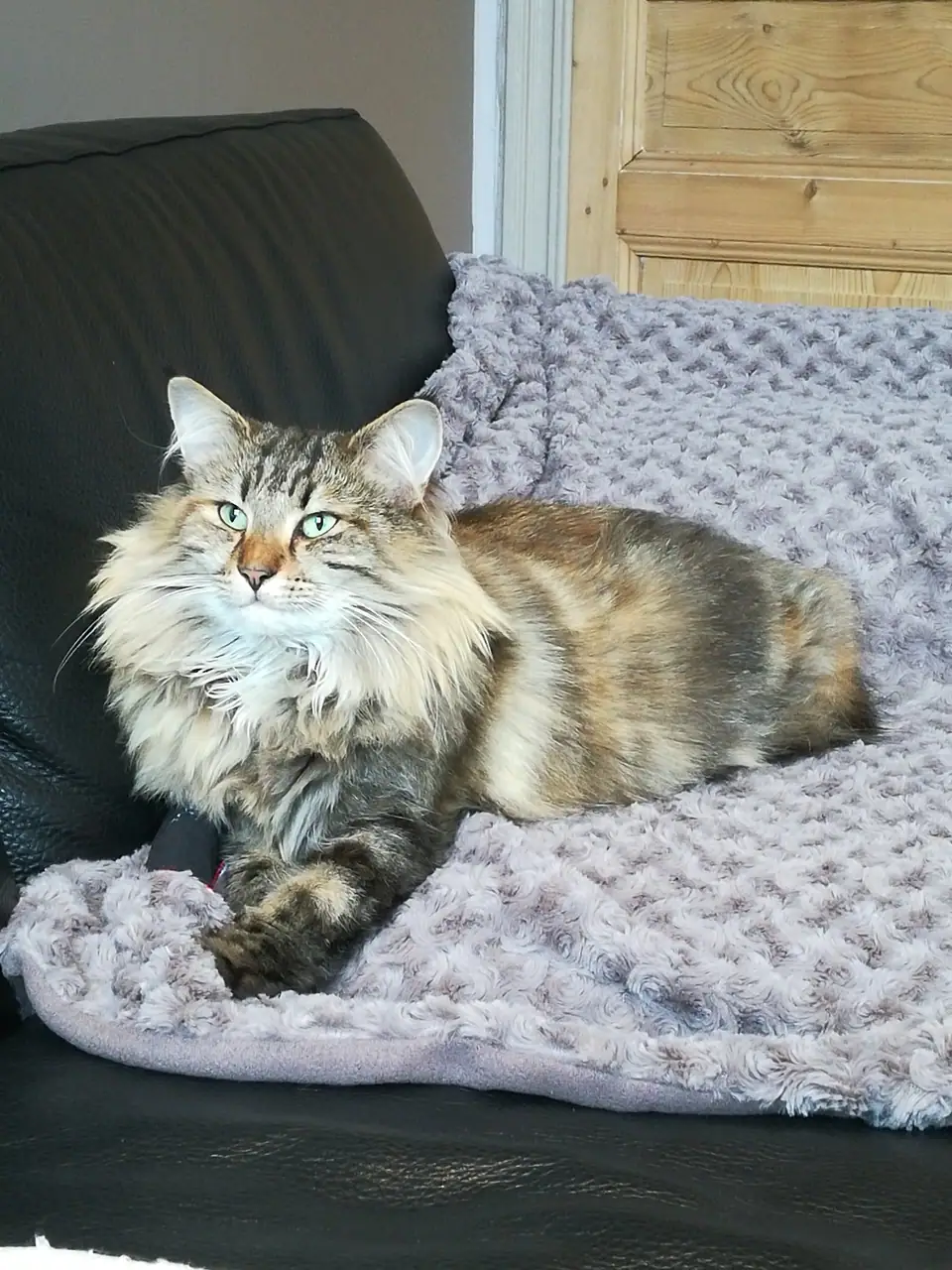 Shedding in thick coatsShedding seasons, a spring routine and when hair loss needs a vet.
Frequently asked questions
Which long-haired cat breed needs the most grooming?
The Persian, and the Himalayan, which the Cat Fanciers' Association treats as the colorpoint Persian. The CFA says owning a Persian calls for a serious commitment to regular grooming, with a steel comb with coarse and fine teeth, and notes many owners use professional groomers.
Which long-haired cats are easiest to groom?
Breeds with a silky coat and little undercoat. The Cat Fanciers' Association describes the Birman's coat as one that does not mat, the Ragdoll's as naturally non-matting, and the Turkish Angora's single coat as one of the easiest longhair coats to care for.
Do long-haired cats shed more than short-haired cats?
Every cat sheds, and a long coat makes the hair easier to see. Dense coats such as the Norwegian Forest Cat's and the Siberian's change with the seasons, according to the Cat Fanciers' Association, so expect heavier shedding in spring.
Is a domestic longhair a breed?
No. Domestic longhair is the usual name for a long-haired cat of mixed ancestry rather than a registered breed. Coats vary from cat to cat, so groom by what you see: daily combing for a thick coat, less for a silky one that stays smooth.
Sources
- Persian (breed profile)The Cat Fanciers' Association
- Ragdoll (breed profile)The Cat Fanciers' Association
- Birman (breed profile)The Cat Fanciers' Association
- Turkish Angora (breed profile)The Cat Fanciers' Association
- Norwegian Forest Cat (breed profile)The Cat Fanciers' Association
- Siberian (breed profile)The Cat Fanciers' Association
- Maine Coon Cat (breed profile)The Cat Fanciers' Association
- Grooming your catInternational Cat Care
- Grooming and Coat Care for Your CatVCA Animal Hospitals
- Domestic Long Hair Cat: Types and Personality (updated April 8, 2025)Embrace Pet Insurance
Filed under Breeds
Keep reading
BreedsGuide
Persian Cat Grooming: Daily Combing, Face and Eyes (Himalayans Too)
Persian cat grooming, and Himalayan too: daily combing of a thick coat, the right comb, baths after combing, and care for the face, eyes and tear stains.
BreedsGuide
Ragdoll Grooming: How Often to Comb and Where Tangles Form
Ragdoll grooming, and Birman too: what the breed registry says about their silky coats, how often to comb, where tangles still form, and seasonal shedding.
GiftsStart here
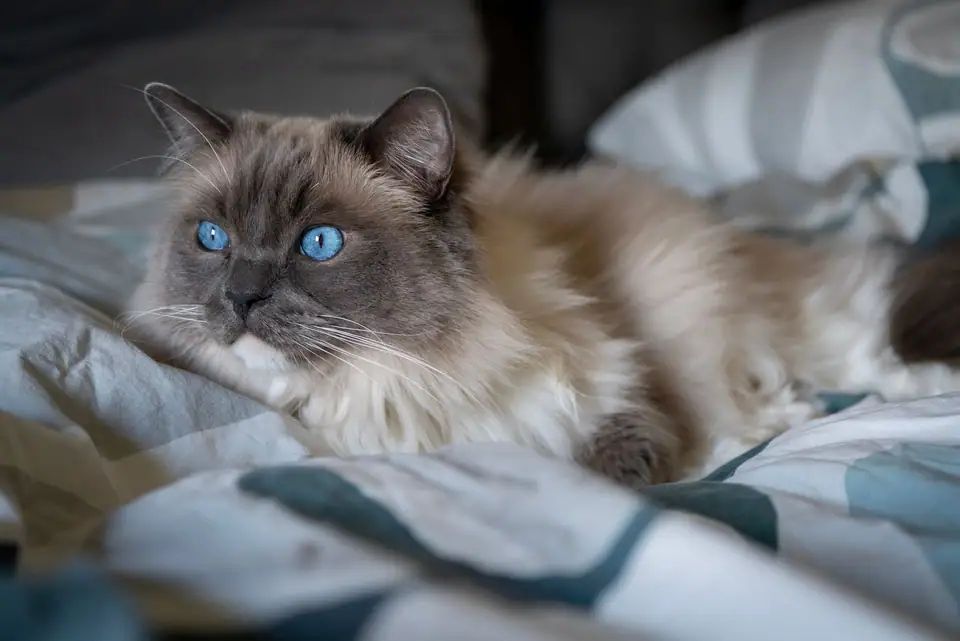
Gifts for Cat Lovers With a Long-Haired Cat: Ideas by Person
Gifts for cat lovers who live with a long-haired cat, by person: the new owner, the breed devotee, the tidy home, bath day and stocking stuffers.